Comprehensive Product Specifications
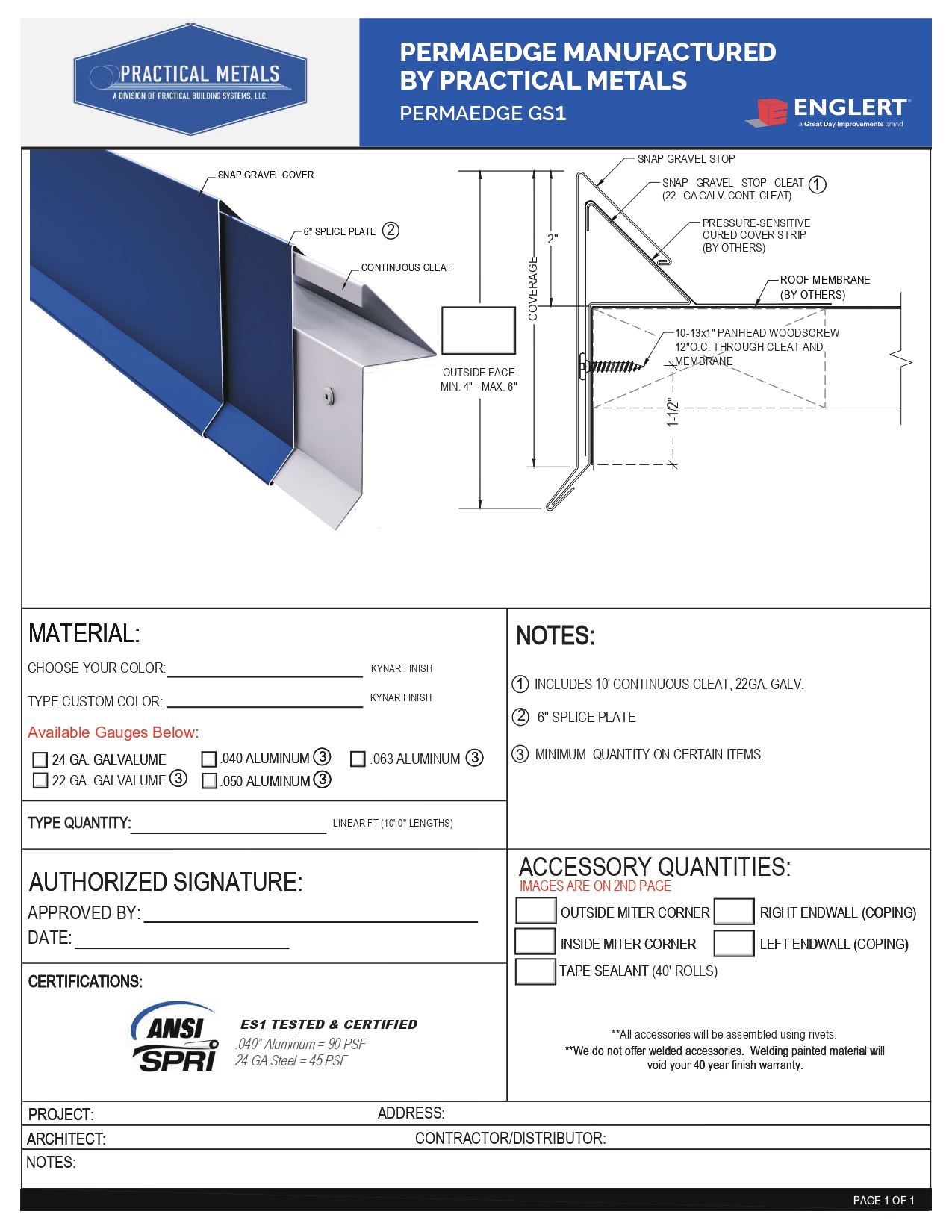
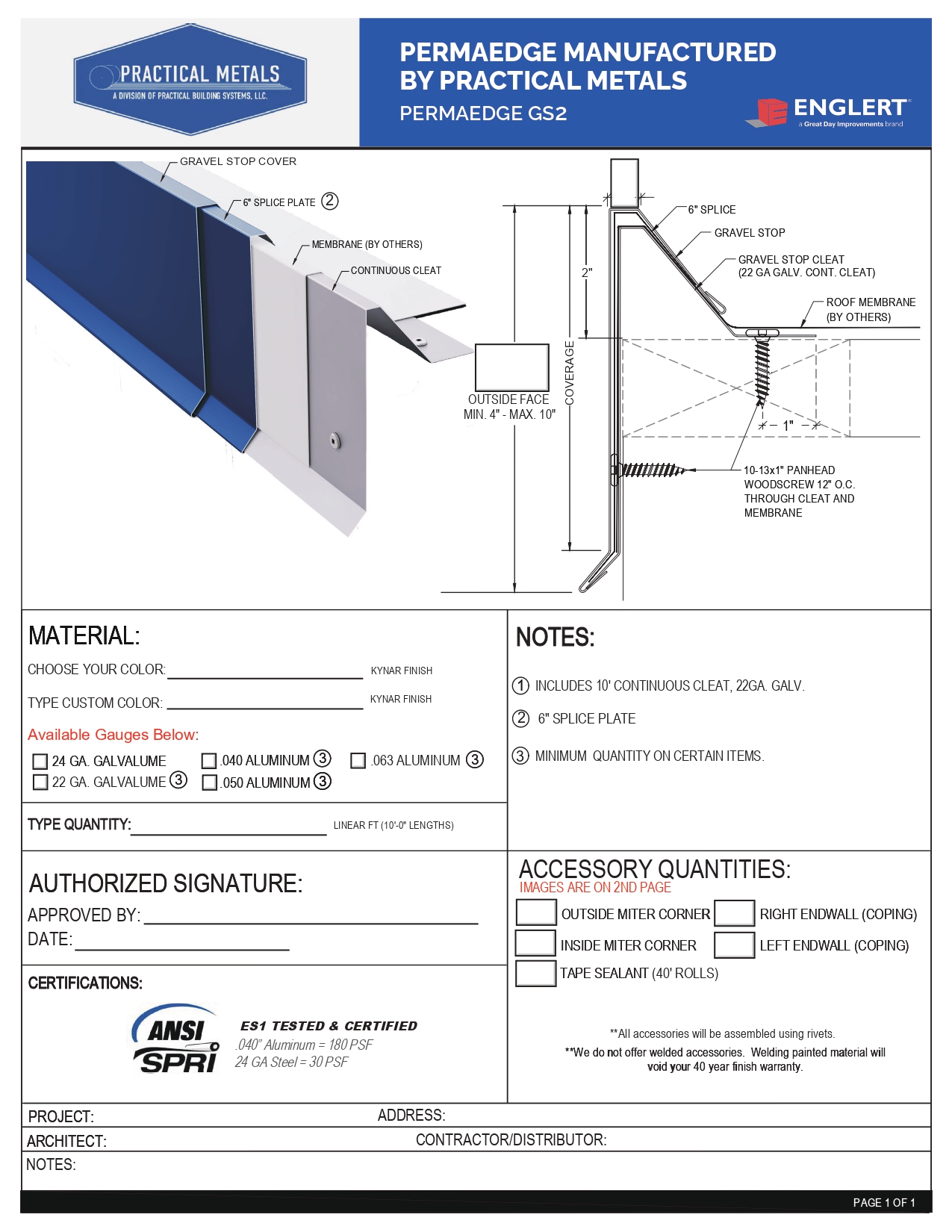
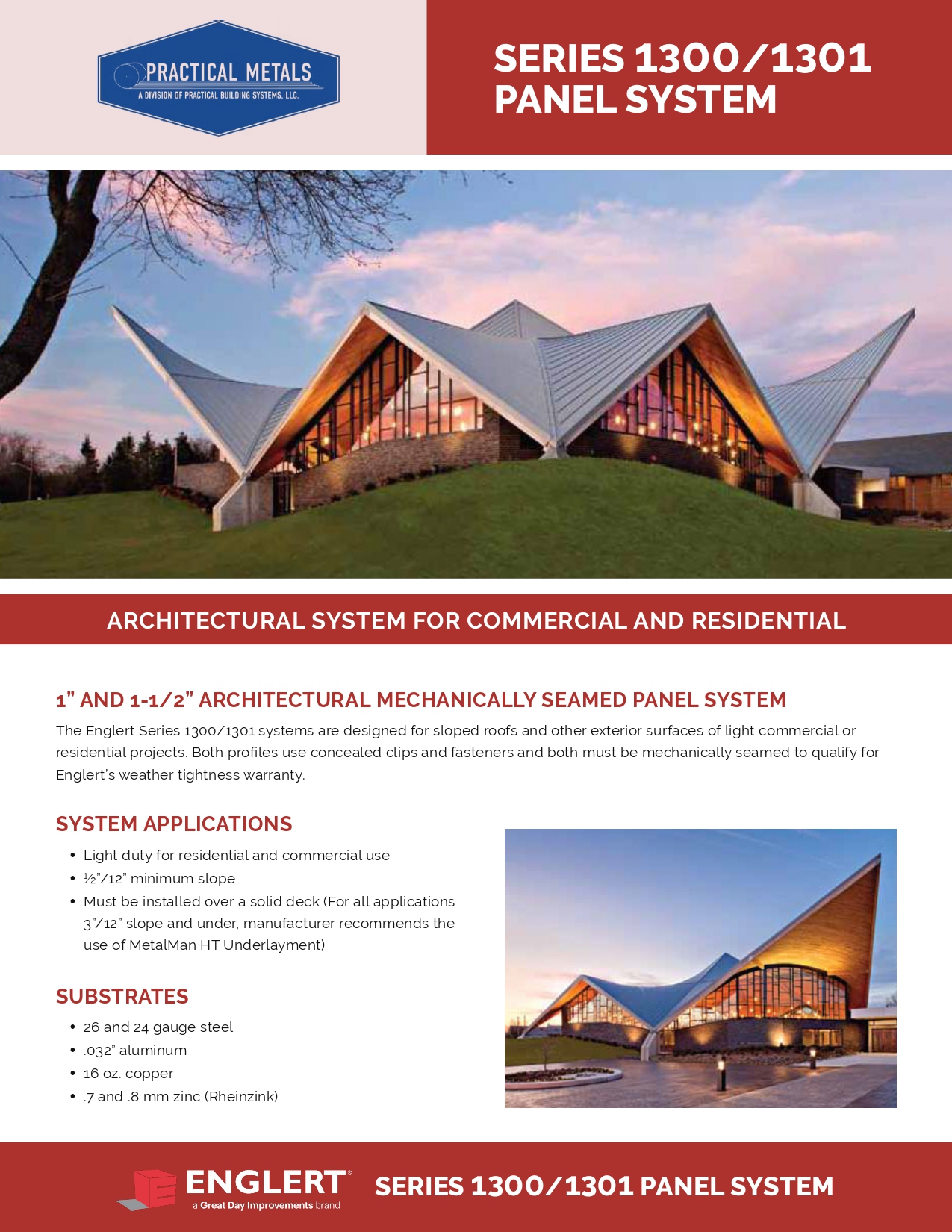
At Practical Metals, we provide extensive specifications for each of our metal roofing and wall system products. This information is crucial for builders, architects, and contractors who need to ensure that they are selecting the right materials for their projects.
Each product page includes detailed measurements, material properties, and performance data, allowing users to make informed decisions. For instance, our Series 3000 panels are designed with specific gauge thicknesses and coatings to enhance durability and aesthetic appeal, ensuring they meet the demands of various construction environments.
Installation Guides for Metal Products
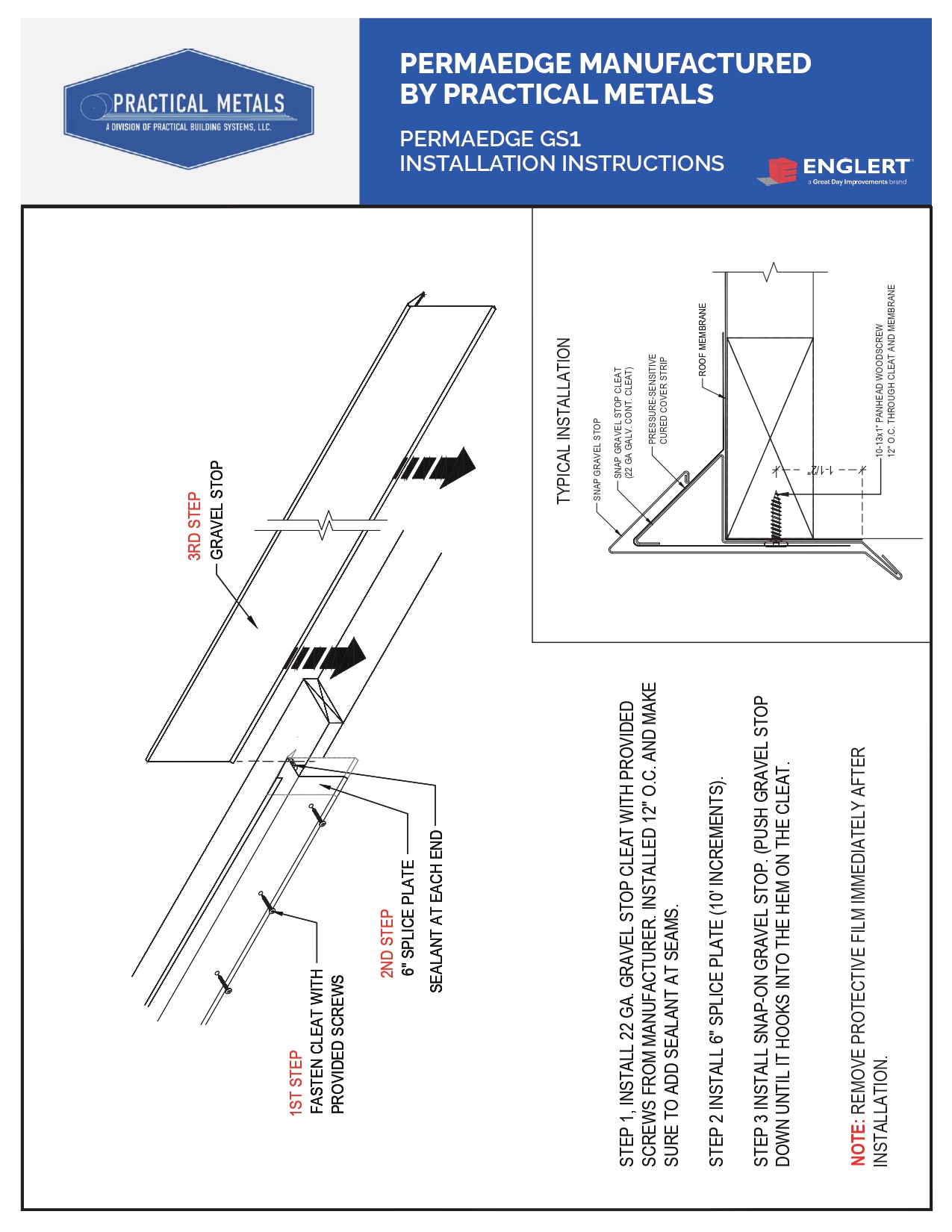
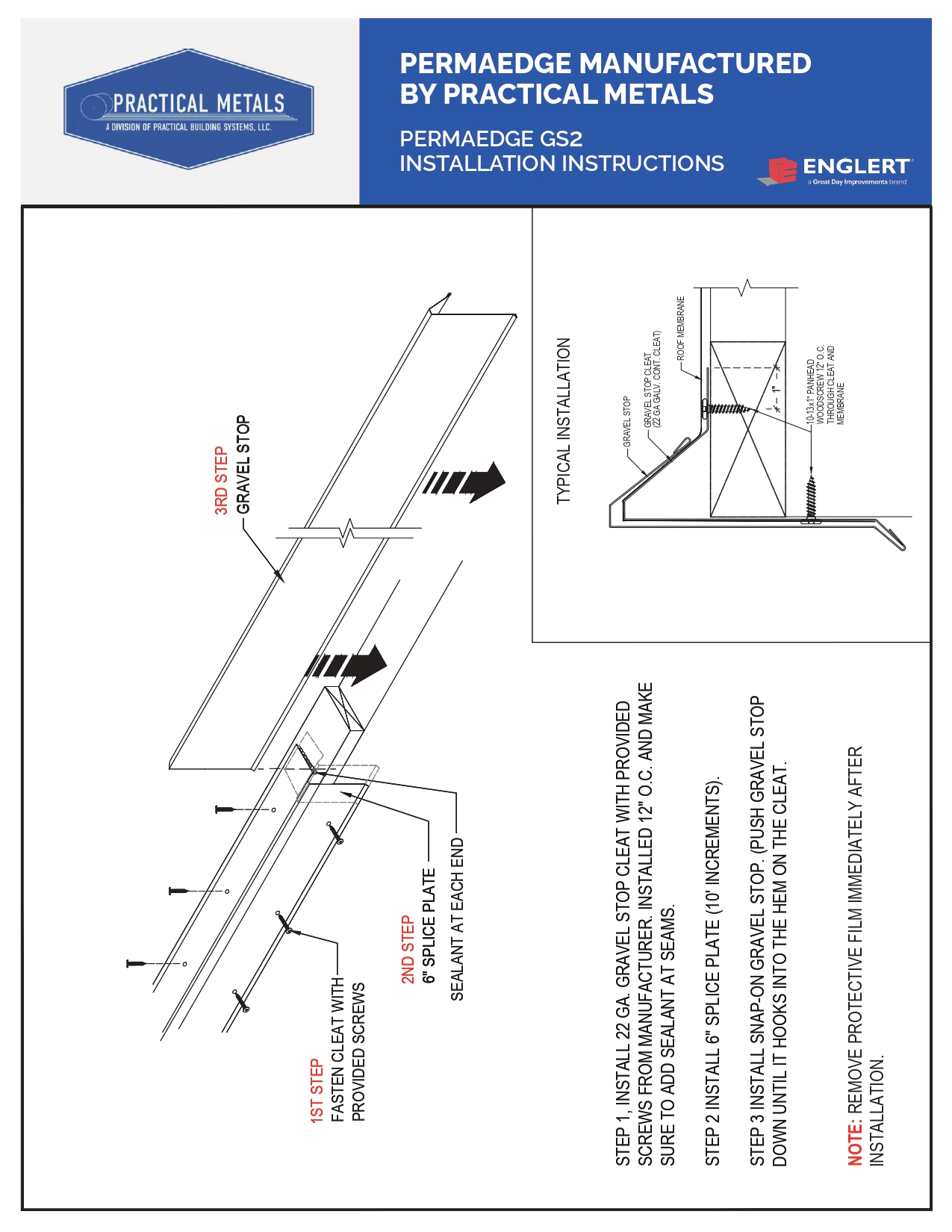
Our installation guides are designed to simplify the process for both professionals and DIY enthusiasts. These step-by-step instructions provide clear guidance on how to properly install our metal roofing and wall systems, ensuring optimal performance and longevity.
In addition to written guides, we offer downloadable PDFs that include diagrams and tips for avoiding common installation pitfalls. For example, the guide for PermaEdge Coping emphasizes correct sealing techniques to prevent water infiltration, which is critical for maintaining the integrity of the roofing system.
Color Options and Customization
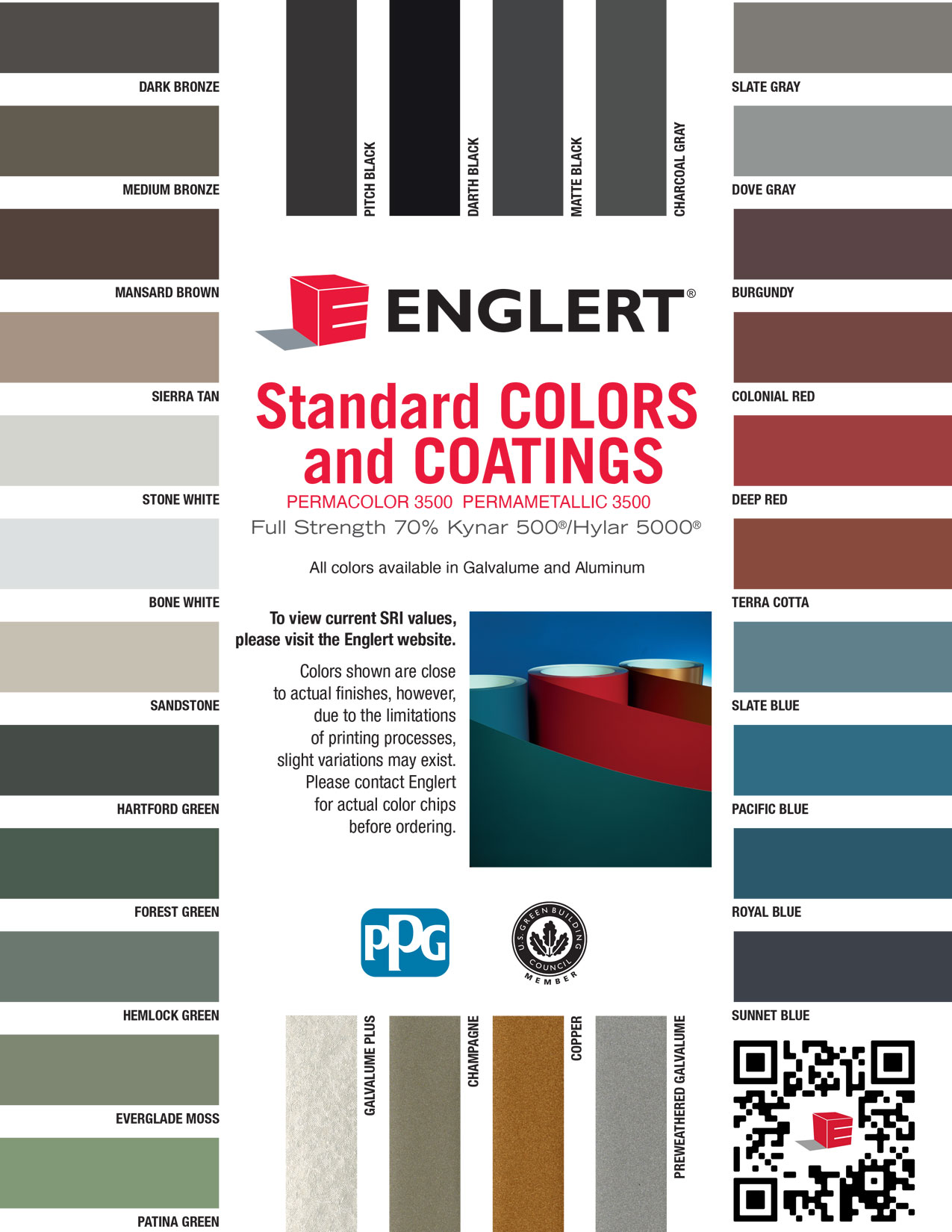
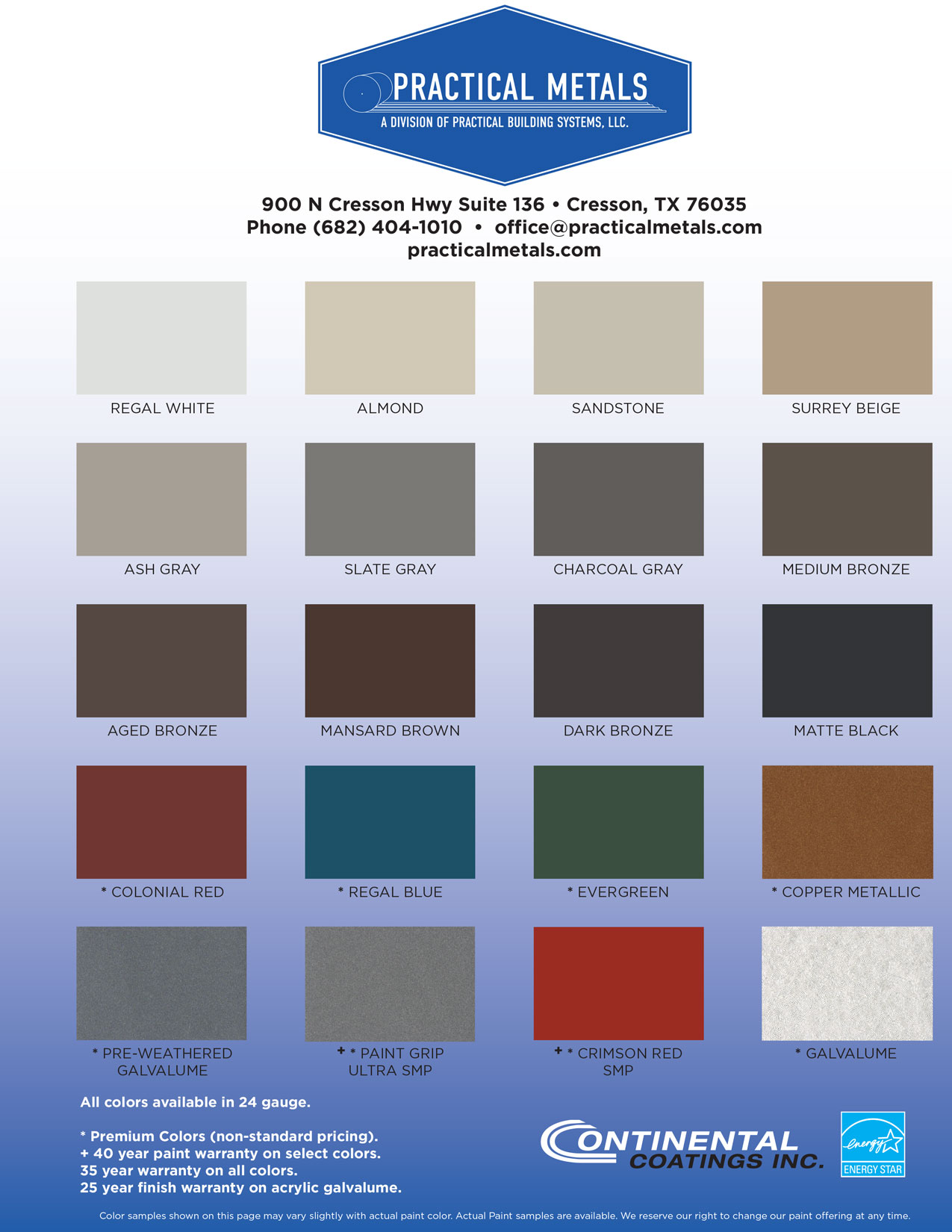
Practical Metals offers a wide range of color options for our metal roofing and wall systems, allowing customers to choose finishes that complement their architectural designs. Our color charts provide a visual representation of available shades, helping clients envision the final look of their projects.
Additionally, we understand that customization is key for many projects. Therefore, we offer bespoke color matching services to ensure that our products align perfectly with your design vision, providing both aesthetic value and functionality.
Customer Support and Consultation Services
We pride ourselves on offering exceptional customer support to assist clients throughout their purchasing journey. Our team is available to answer questions, provide product recommendations, and guide customers through the selection process.
For contractors and builders, we offer consultation services to help with project planning and material selection. This ensures that our clients receive tailored advice that meets their specific needs, ultimately leading to successful project outcomes and satisfied customers.